
There was a time when being published in photography carried a very specific weight, it was a clear distinction between editorial publication vs paid features. Especially being published in esteemed publications like Vogue, Harper’s Bazaar, etc.
It meant selection.
It meant that, among many voices, images, or perspectives, something had been chosen to stand within a curated editorial space. Publication signified a form of external validation, not just of aesthetic quality, but of authorship, consistency, and trust. It distinguished professionals whose work had been reviewed and recognized within a structured, editorial framework.
In that context, publication was not simply visibility. It was credibility.
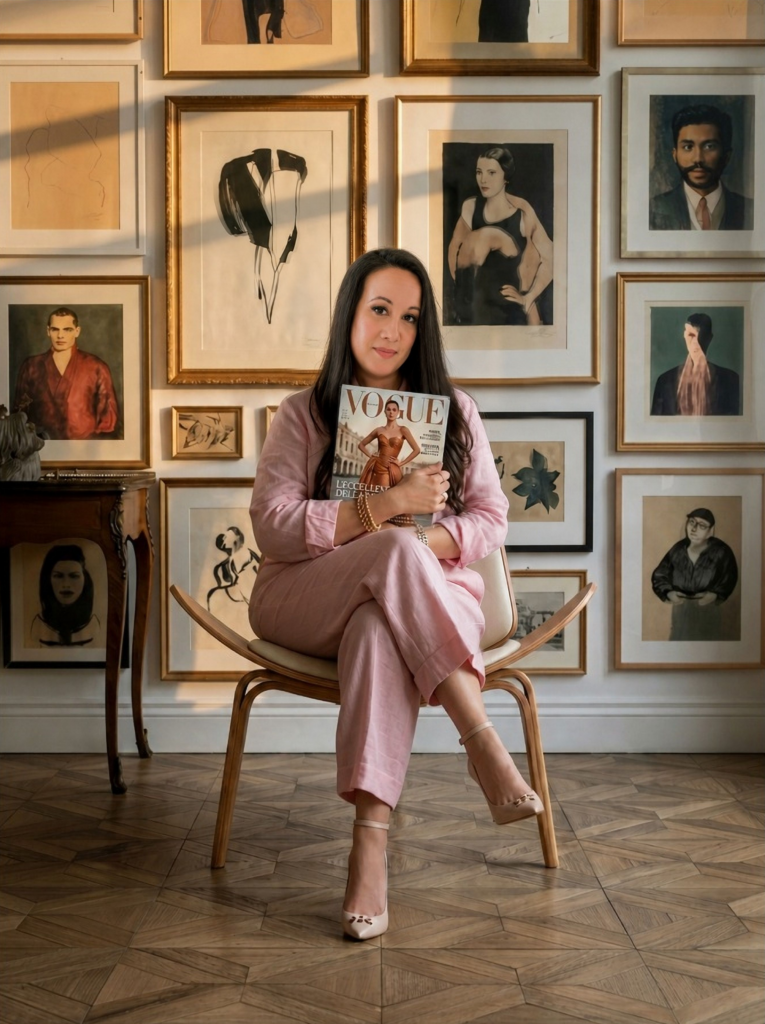
Today, however, the landscape has shifted.
We live in an environment where perception is often curated long before context is understood. What appears established is not always established. What appears editorial is not always editorial. And what appears to be recognition is not always the result of selection.
In many industries, particularly creative and visual ones, the language of prestige has become increasingly accessible. It can be styled, simulated, and strategically constructed to communicate authority, even in the absence of the traditional systems that once conferred it.
This is not inherently negative, but it has introduced a growing distance between what is visually persuasive and what is genuinely earned.
Most people outside of these industries are not expected to distinguish between editorial recognition and paid placement, between curated visibility and earned selection. The language of “being featured” or “being published” has become fluid, often used interchangeably, even when the underlying mechanisms are entirely different.
And so we arrive at a subtle but important shift in how credibility is perceived.
Not everything that looks established is established.
And not everything established presents itself loudly.
In this environment, the challenge is no longer visibility. Visibility is abundant. The real challenge is discernment, the ability to understand what has been built through time, consistency, and selection, versus what has been constructed to appear that way.
Discernment is not immediate. It requires context. It requires looking beyond surface presentation and understanding the structures behind it. And in many ways, it has become one of the most important forms of literacy in the contemporary visual world.
Because while perception can be designed, credibility cannot be convincingly staged over time.
It accumulates quietly. It resists shortcuts. And it ultimately reveals itself not in how something is presented in a single moment, but in how it continues to hold weight across many.
That distinction still matters.
And perhaps, in an era defined by increasing visual sophistication, it matters more than ever.


J
M
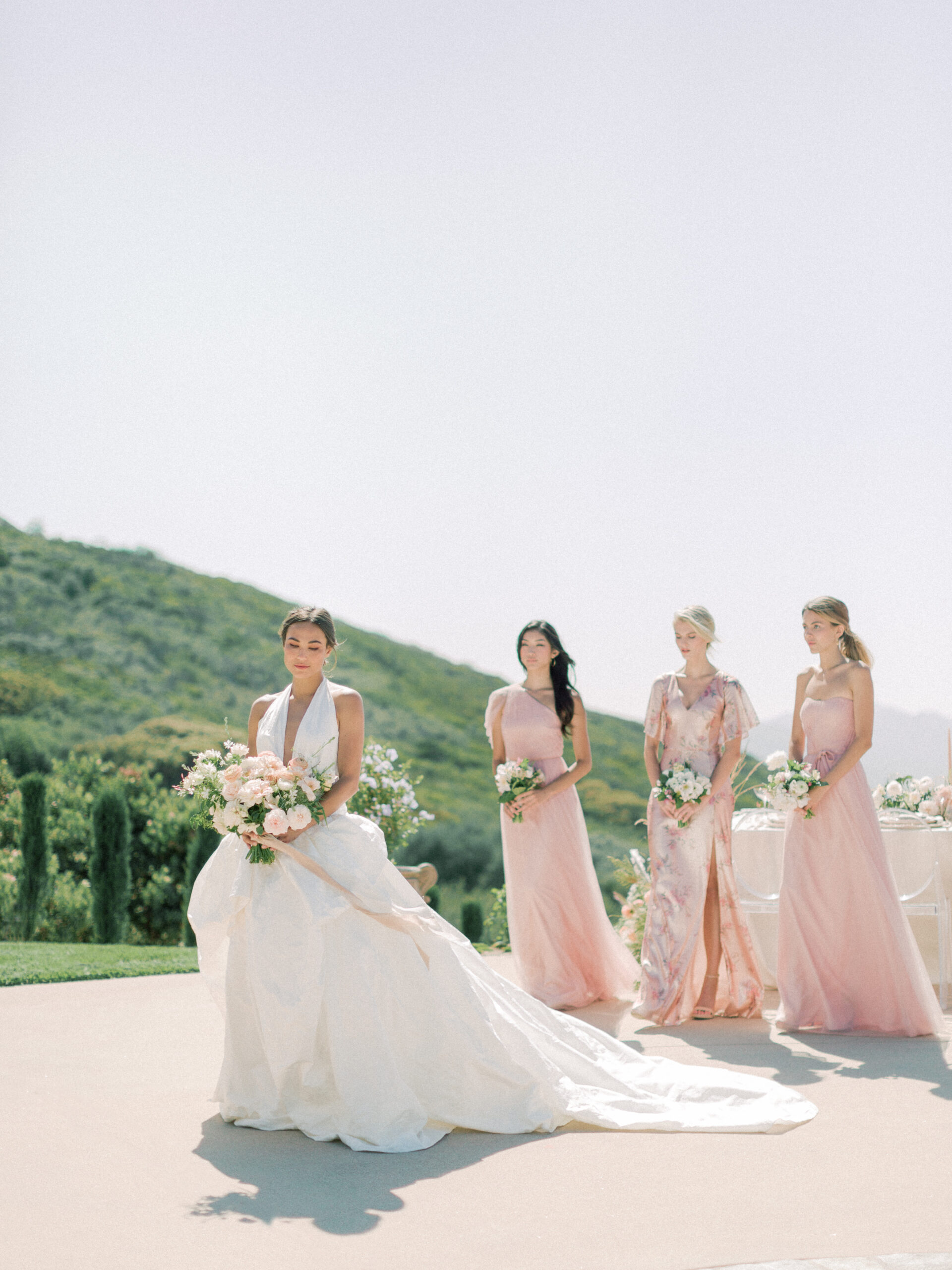
As an internationally-lauded wedding photographer, Jessica brings her signature style and aesthetic to modern love stories.